

If you’re looking for a quick and fun way to catch a feed without too much thought, equipment, skill, or mess, then this could well be the article for you!
The gear
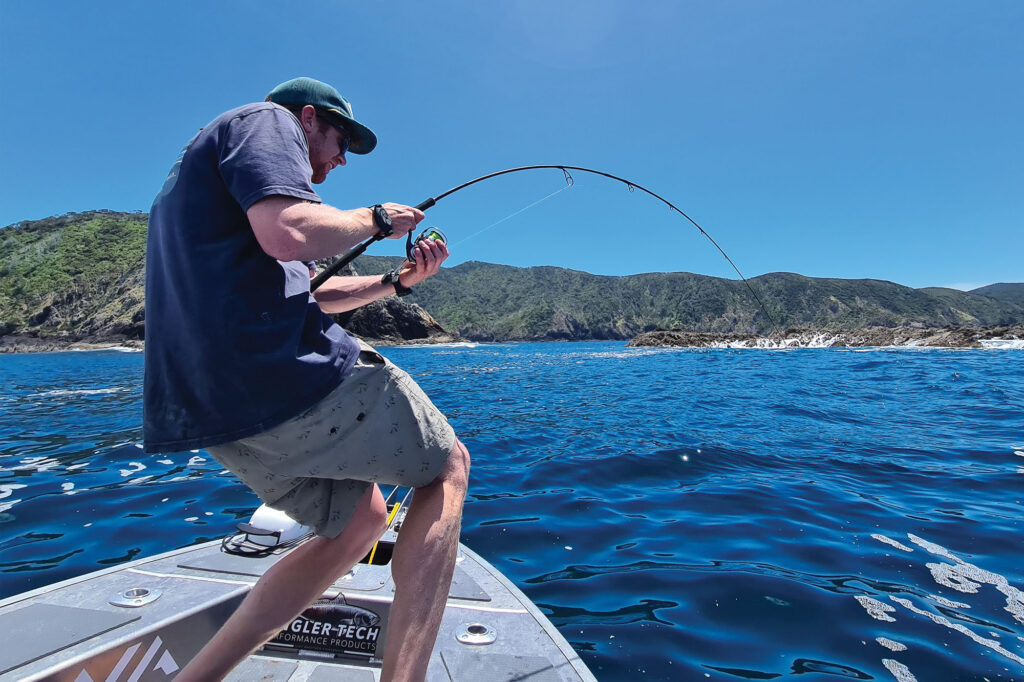
You don’t need to spend lots of money on gear to be successful when softbaiting. An entry-level set is a 2000-4000 size spinning reel loaded with 10-20lb braid, and a 7-8’ rod. Towards the pointy-end, a metre or two of 20-25lb fluorocarbon leader, tied to a 3/8oz 1/0 size jig-head, is a good all-rounder to suit a variety of fishing scenarios.
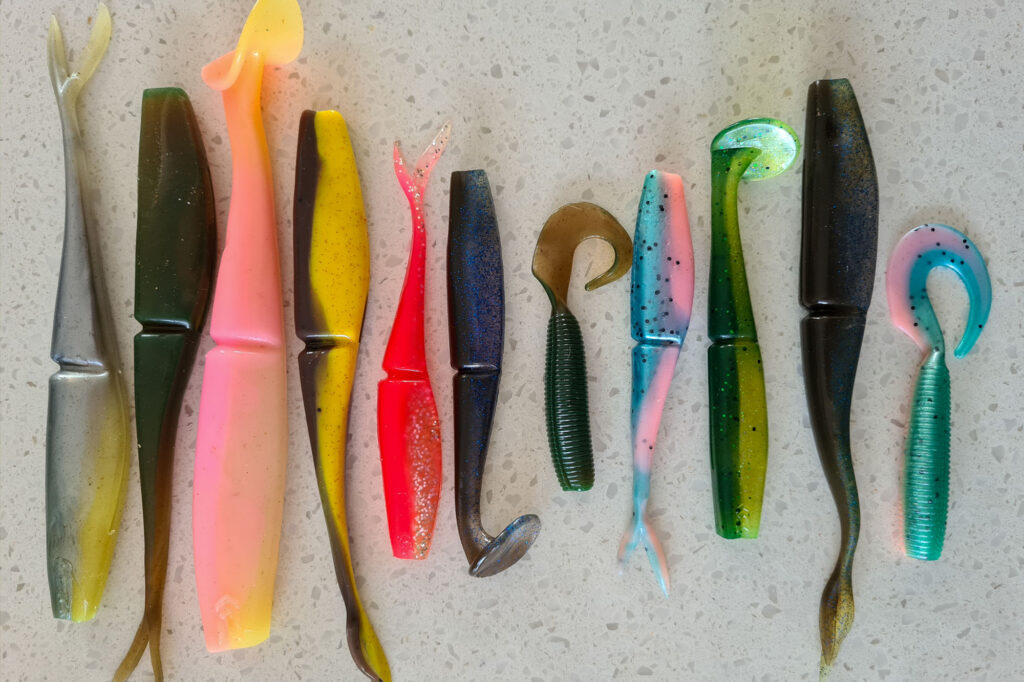
Speaking of all-rounders, it’s hard to go past a 5” jerkshad for your lure. Curly-tailed grubs and crazy-legs style lures are also great because these softbaits alluringly ‘swim’ as they descend. All colours work on most species, although it pays to experiment on the day to see if the fish have any preferences. Often lures with two contrasting colours get more interest than ones of a single shade.
The spot
You can catch fish on softbaits basically anywhere there is saltwater (or freshwater, if you’re chasing trout). Throw ‘em around mudflats, estuaries, harbours, channels, bays, beaches, rocky shores, underwater reefs, drop-offs, areas of surface-schooling fish, or deeper water offshore – you’ll catch fish. Softbaiting is well-suited for
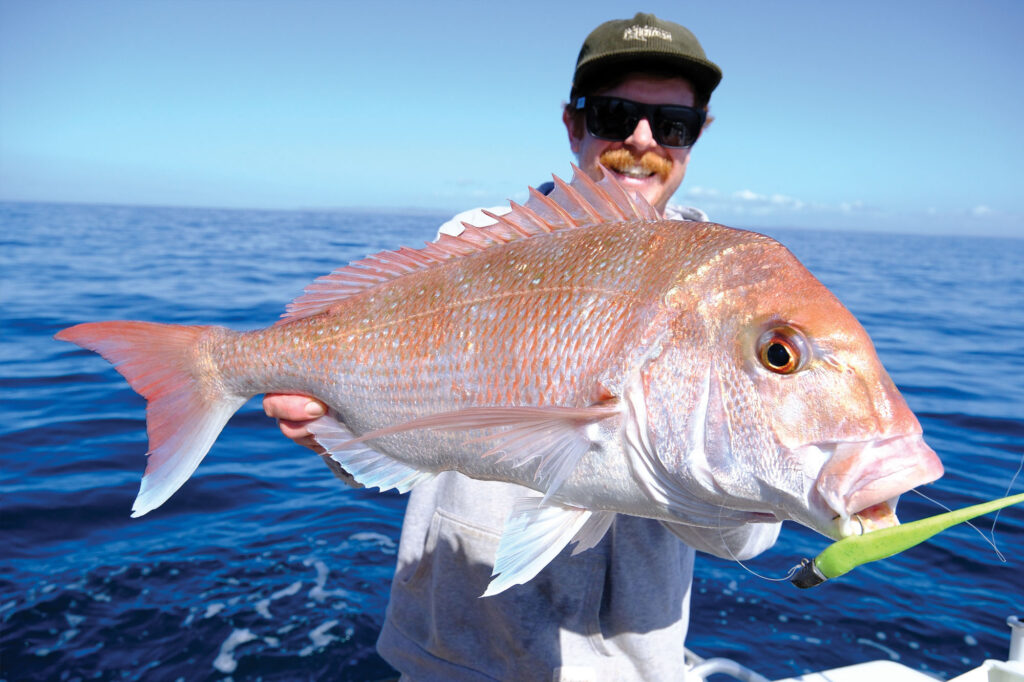
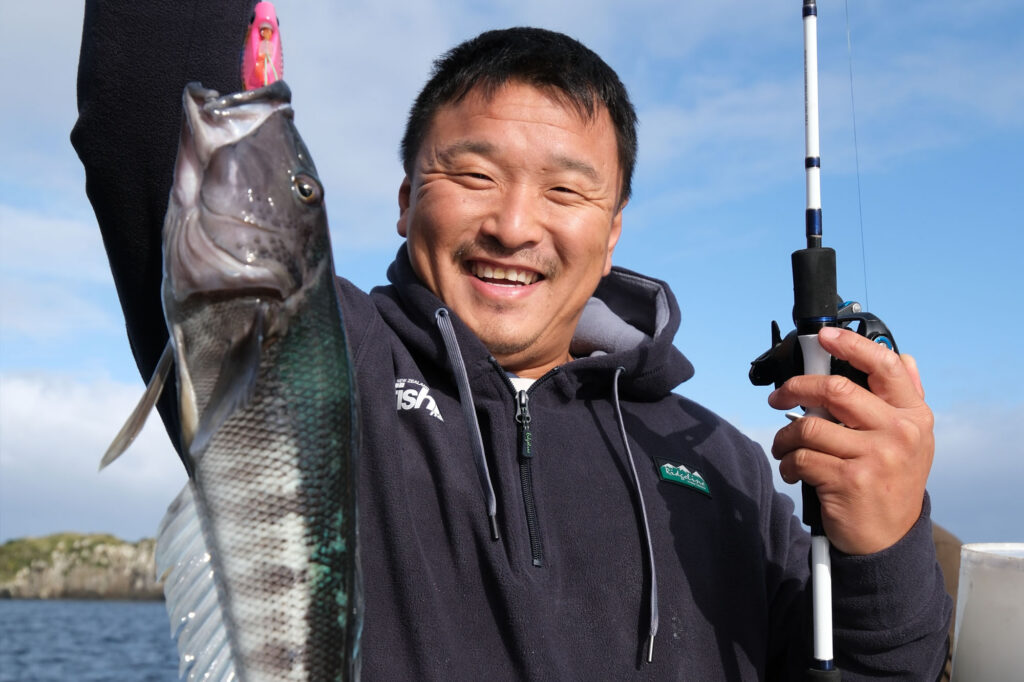
species like snapper and blue cod. In winter, throwing softbaits at exposed rocky coastlines and reefs is a great approach for big snapper.
While it is possible to softbait from the shore (beach or rocks), this style of fishing really comes into its own when done from a vessel. However, you don’t need a big vessel – kayaks are a great way to sneak around the shallows, flicking softbaits.
The technique
There are two basic techniques when softbaiting. The most popular is to cast ahead of the drift direction or directly at structure, before letting the lure free-fall to the seabed. Once at the bottom, work the lure back with a sequence of upwards rod twitches, then retrieve the slack line. Repeat this until you’re hooked up or get close to the surface. A lot of strikes happen on the drop, so keep an eye on the line to perceive unusual movements that might indicate a bite.
The second most effective technique is to simply drop your softbait to the bottom, put your rod in the holder, and let the drift do all the work as your softbait enticingly bounces along the bottom. Too easy!
Words & Images by NZ Fishing News