

It’s that time of year when ‘fair weather’ anglers dust off the cobwebs and get ready to throw a cheeky line into the briny.
Funnily enough, although the days are hot, the fishing can often be the very opposite. Here are some handy tricks to help you land that moocher you can brag about at the holiday campground.
Fish your feet first
It’s a cliché, but clichés are clichés for a reason! Many popular inshore species become more prevalent in the shallows as the water warms, and sometimes the best spots are the ones that most anglers hoon straight past. Fishing from the beach, rocks, or a kayak can be a very effective way of sneaking up on shallow water fish.

Change of light
This is the number one tip! The change of light period is always a favourite time to drop a line, as it’s widely regarded that fish feed hard as the sun is rising or going down. Fish are simply easier to catch at dawn or dusk!
Livebait
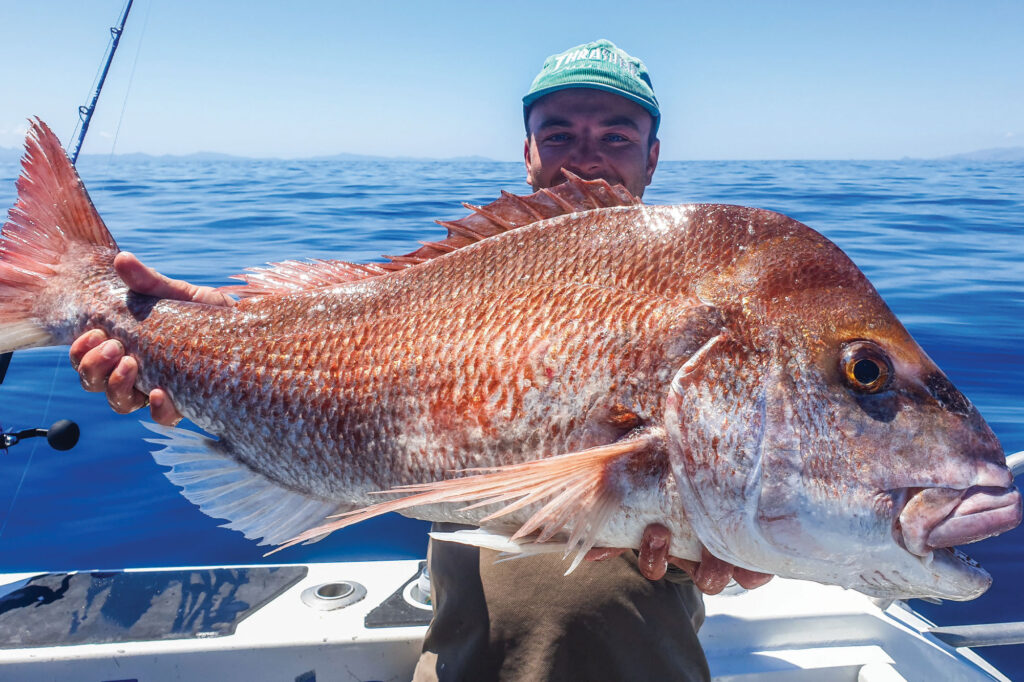
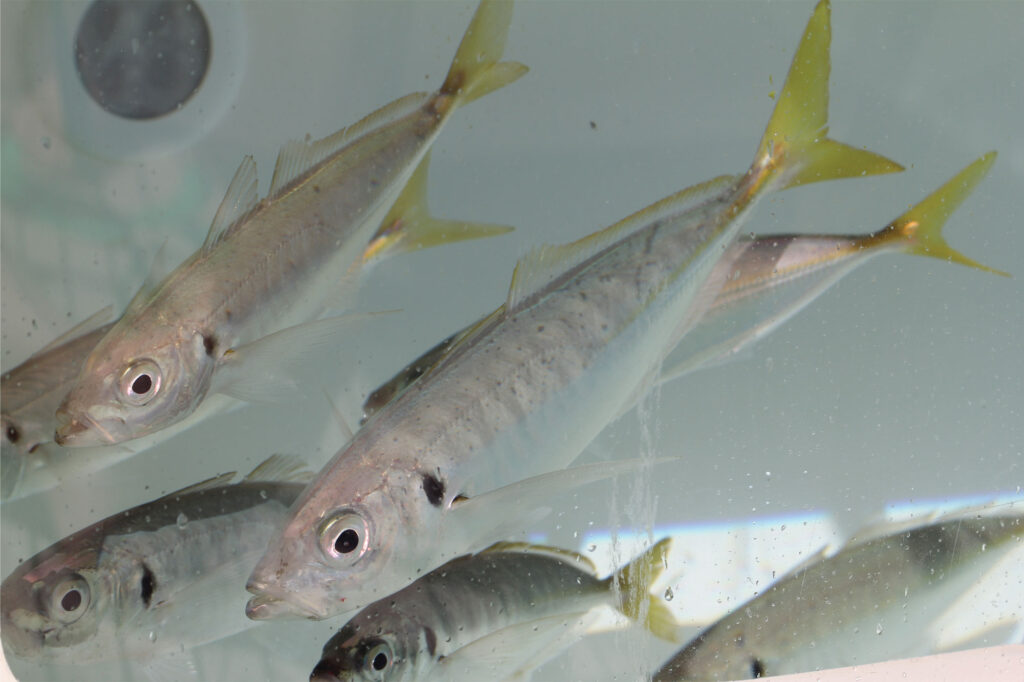
It’s no surprise that predatory fish often want to eat the real deal. Fish like kingfish, snapper, john dory, and tuna are suckers for livies, so it often pays to put in some effort with sabiki rigs to catch ‘em. Parking up with some berley or finding schools on the fishfinder are two common ways to grab some wriggling mackerel for your bait tank.
Bite times
Bite times are mysterious things based on the solunar calendar, which considers the moon’s position relative to the earth. And although some might think it’s some hippy garbage, many keen anglers without dreadlocks only go fishing according to these timings. There’s also a fair amount of scientific evidence to back up the bite times theory. Check them out here.
Smaller is sometimes better
Although ‘big bait/lure = big fish’ is a worthwhile concept, you must remember that elephants eat peanuts, too – especially if they aren’t feeding hard!
Current events
A key consideration some part-time anglers gloss over is planning a fishing trip according to what the tide is doing. Fish will generally sit on the up-current side of reefs and structures, and inshore fish like snapper often bite best when the current is flowing. Many spots will work better on either an incoming or outgoing tide, so it pays to experiment for yourself or talk to a local guru!
Words & Images by NZ Fishing News
fishing.net.nz